
Trident Line Scabbards
Tritonworks Trident Line scabbards are intended to be matched to the desire of the customer. If you want your scabbard to be that of a Venetian bravo, a Germanic mercenary, an English knight, or any other nationality of any station at any time period, we will do our utmost to accommodate you.
Trident Gallery

Albion Ringeck

Albion Ringeck Suspension Detail


Foliate Sword


Angus Trim Double Belt


Albion Earl


Arms and Armor Katzbalger


Albion Decurio


Armour Class Baskethilt


Imperial Weapons Viking


Burridge Bronze Sword


Arms and Armor Writhen


Tinker 15th Century


V. Cervenak Shiavona

Full length shot of the schiavona unsheathed

Full shot of the schiavona sheathed. This schiavona was made en suite with a rapier also featured on this page

Detail of the suspension system


Detail of scallop tooling

Detail of the belt tooling


V. Cervenka Rapier

Rapier by Vladimir Cervenka

Detail of scabbard throad

Detail of the rapier hanger creating the pattern of diamonds and scallops was time consuming

Detail of the buckles on the hanger


Detail of stylized wave pattern on scabbard to work with the scallop theme.


Detail of the hanger hooks.

Del Tin 5161


Antique Smallsword


Del Tin 2121


Albion Baron


Armart Urnfield


Arms and Armor Two Ring Rapier


Del Tin 2133


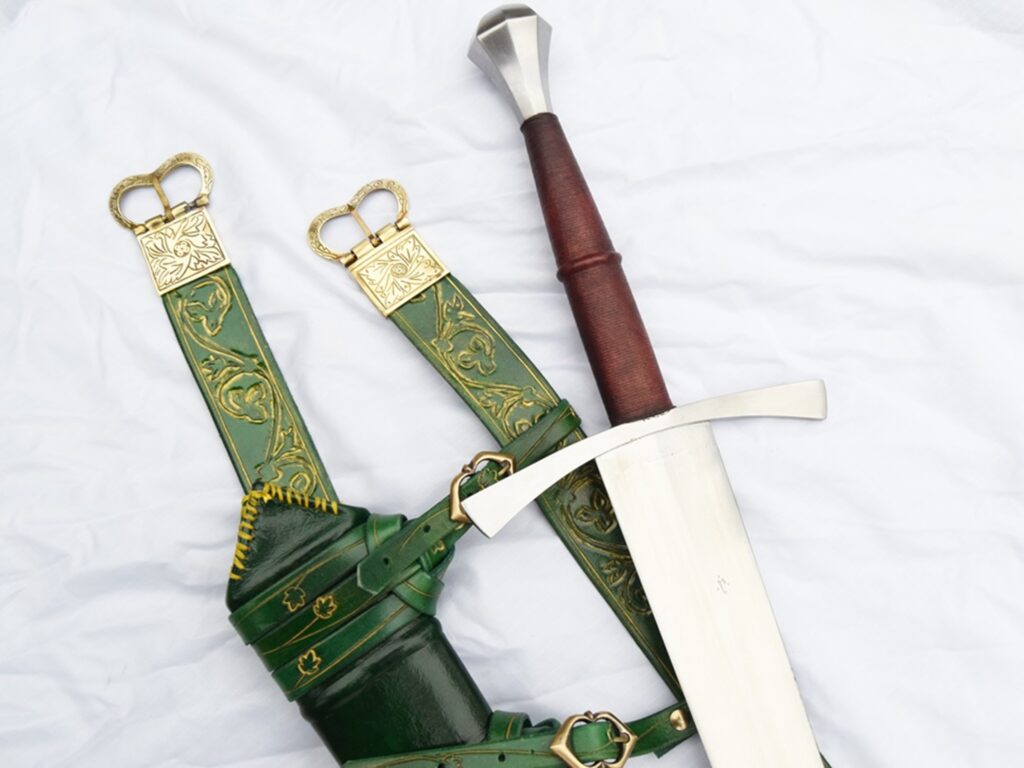
Albion Mercenary
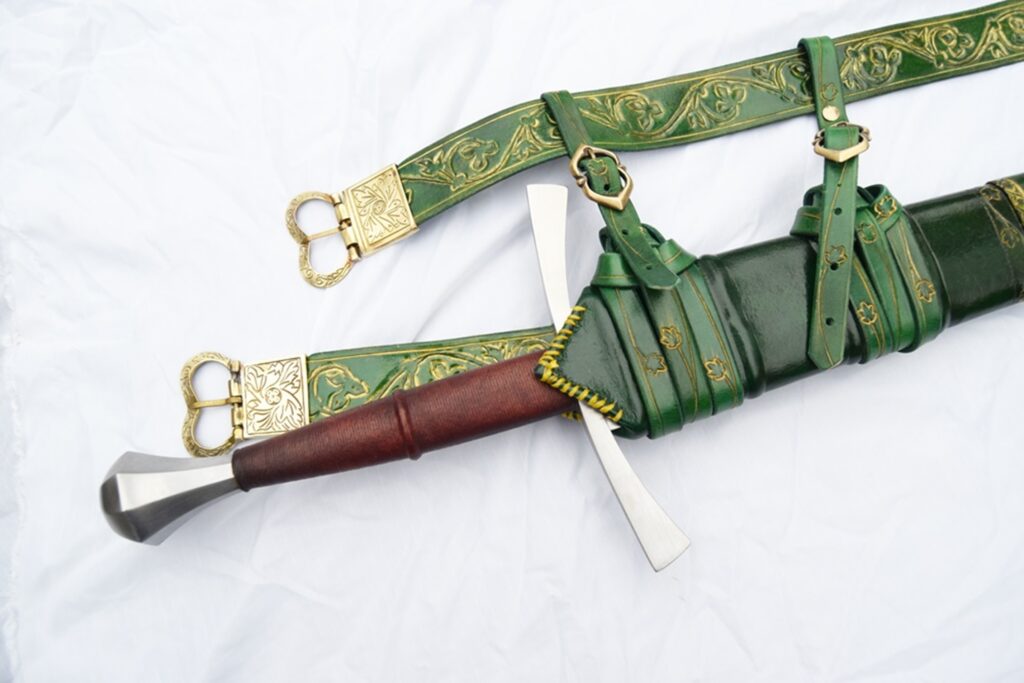
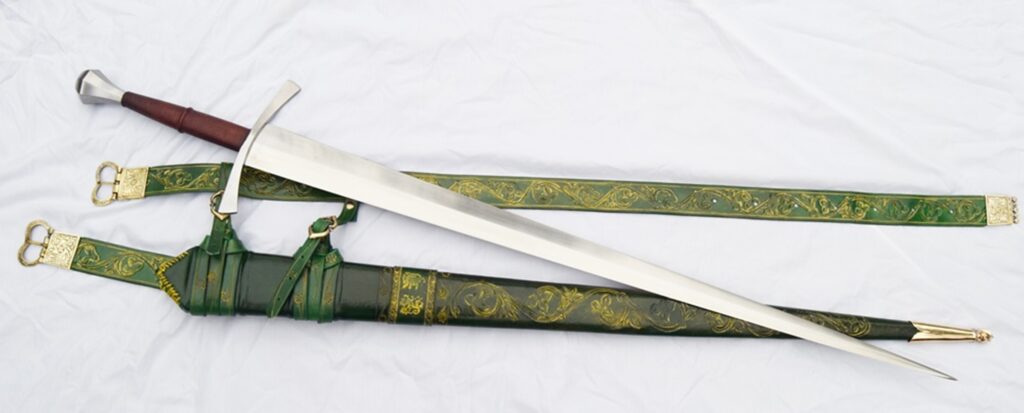
This is a highly decorated and tooled scabbard per customer specification
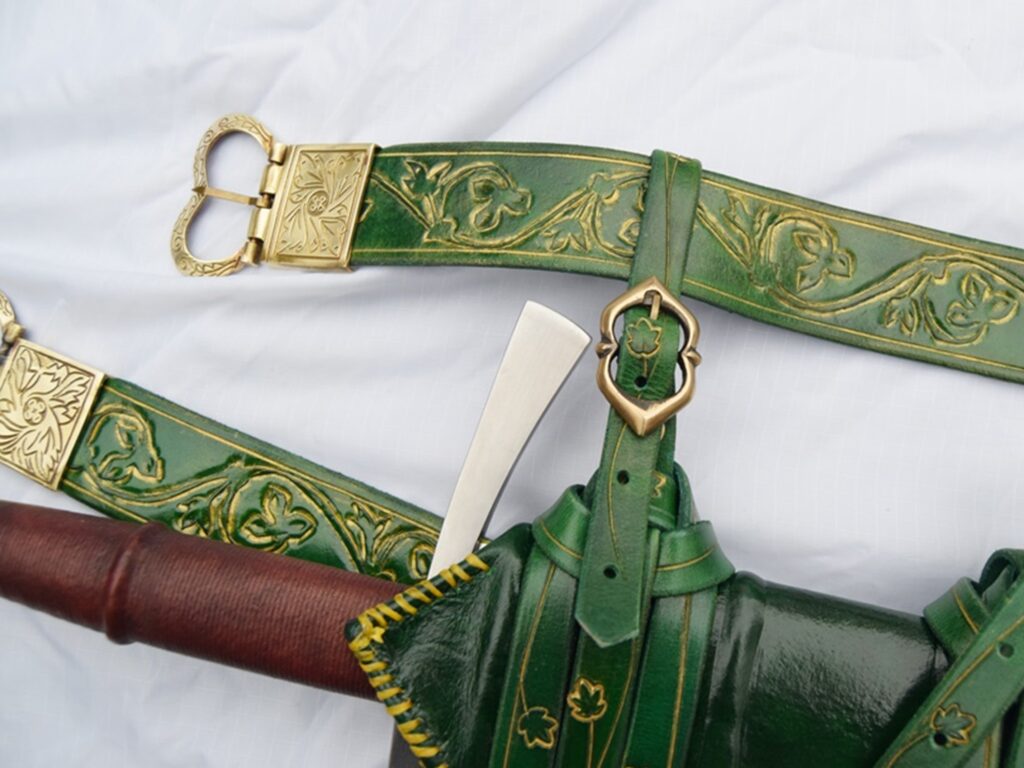
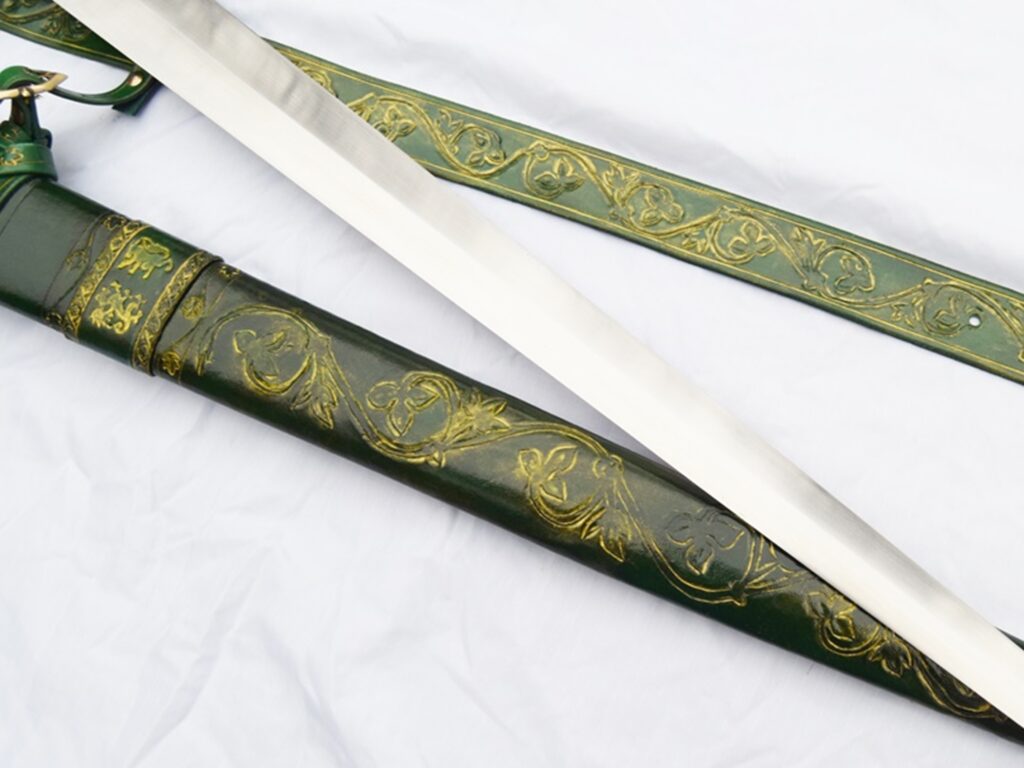
I elected to go wtih a gold wash on the scabbard.
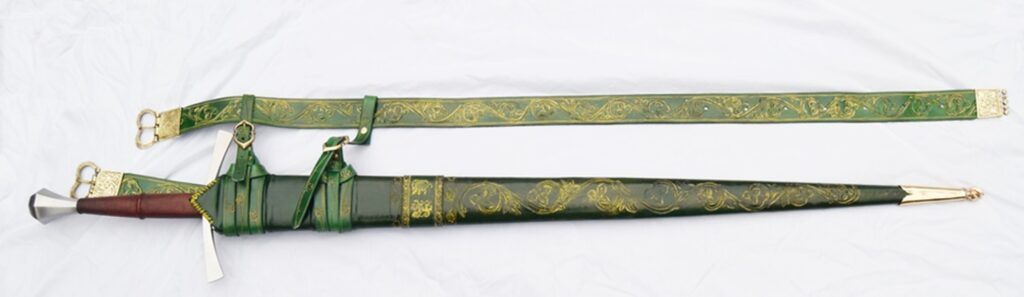
The foliate design was particularly challenging.
Albion Warwick
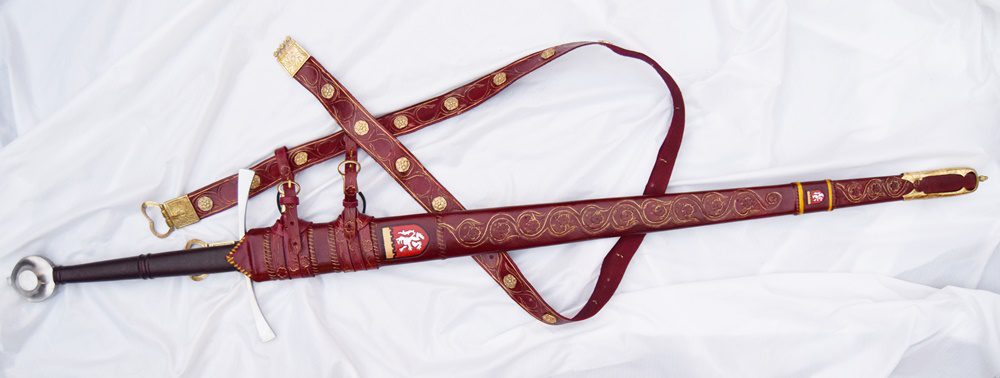
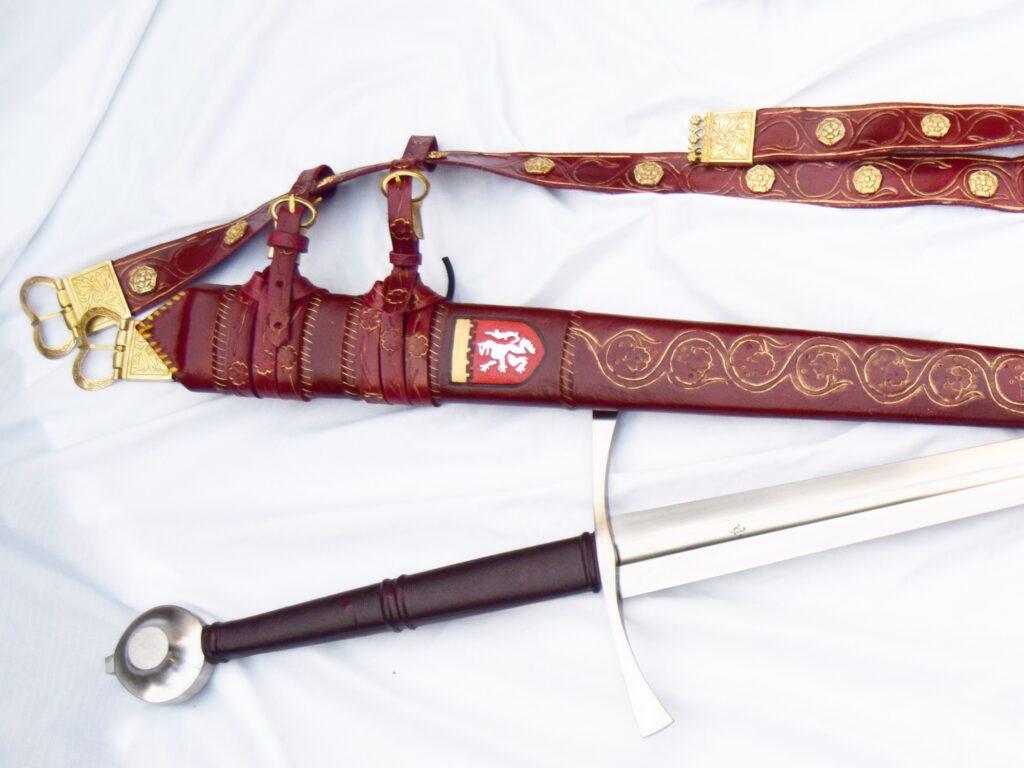
This customer wanted the entire package including tooling and his coat of arms on the scabbard.
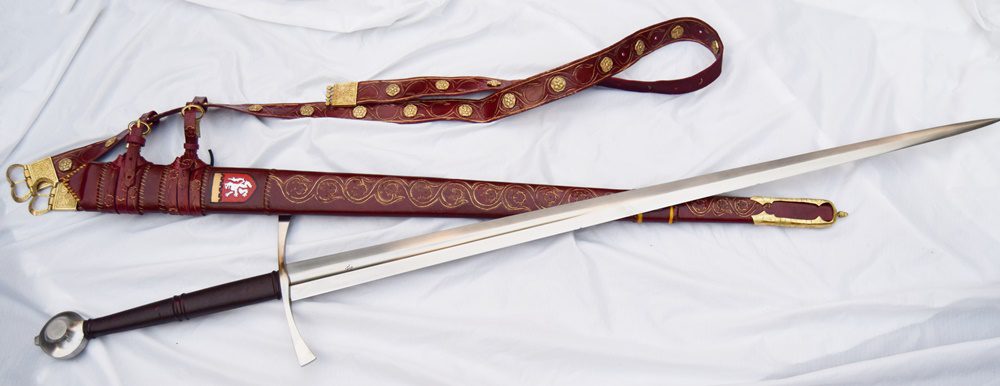
Full length shot unsheathed
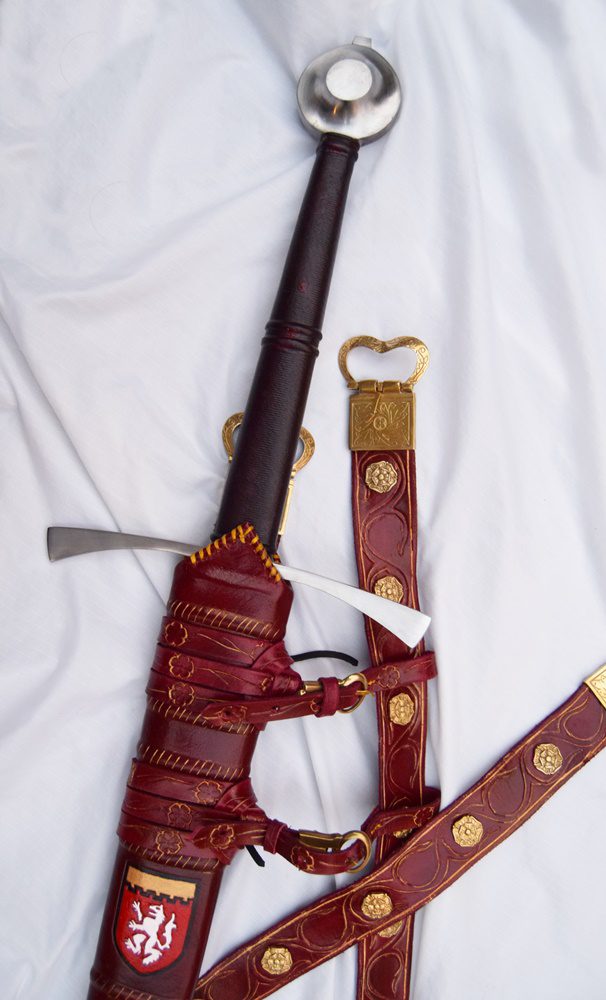
Detail of the throat of the scabbard.

Suspension System Detail
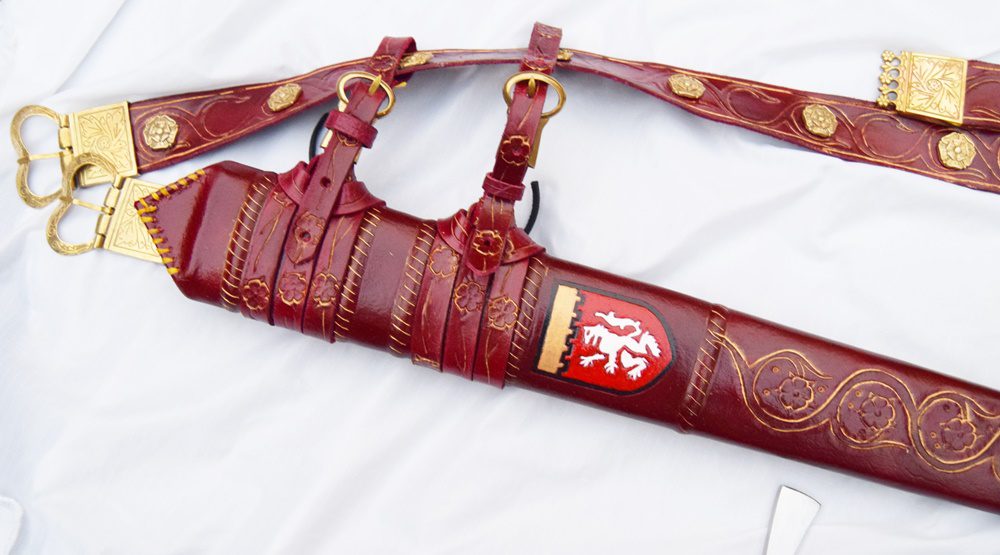
Coat of Arms a Wolf Rampant. The coats of arms are actually stamped into the leather and then painted for a 3D effect.
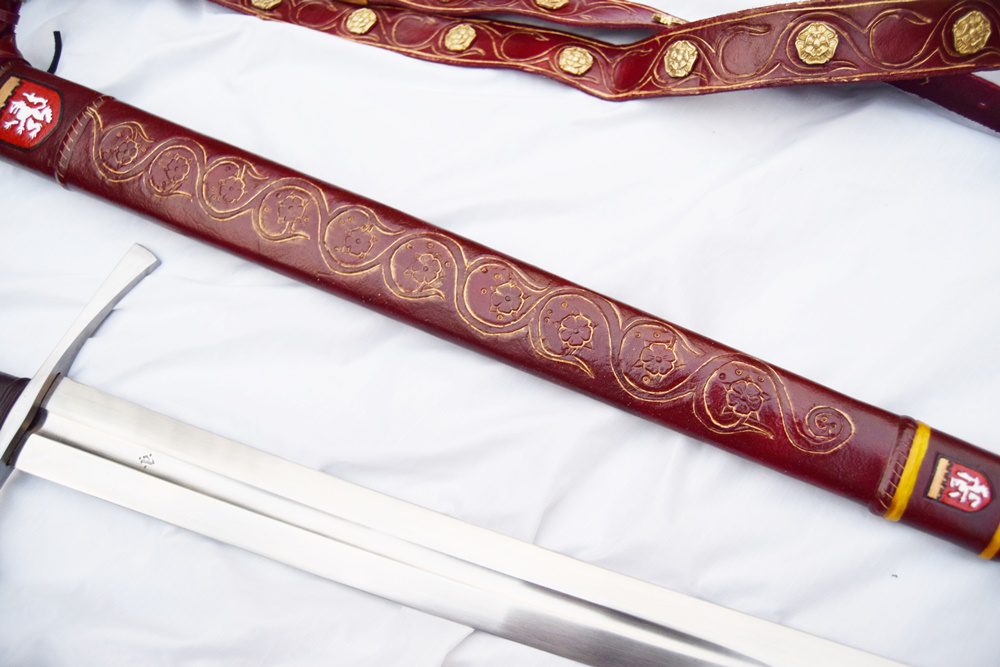
Detail of the gold wash decoration.
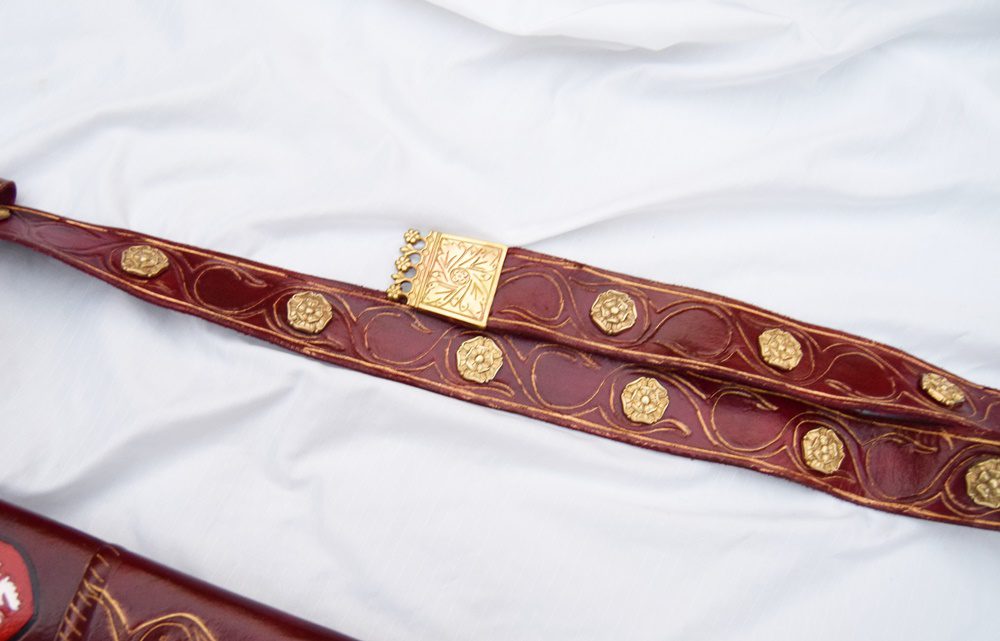
The customer wanted Rose Belt mounts as appopriate for a sword named the "Warwick"
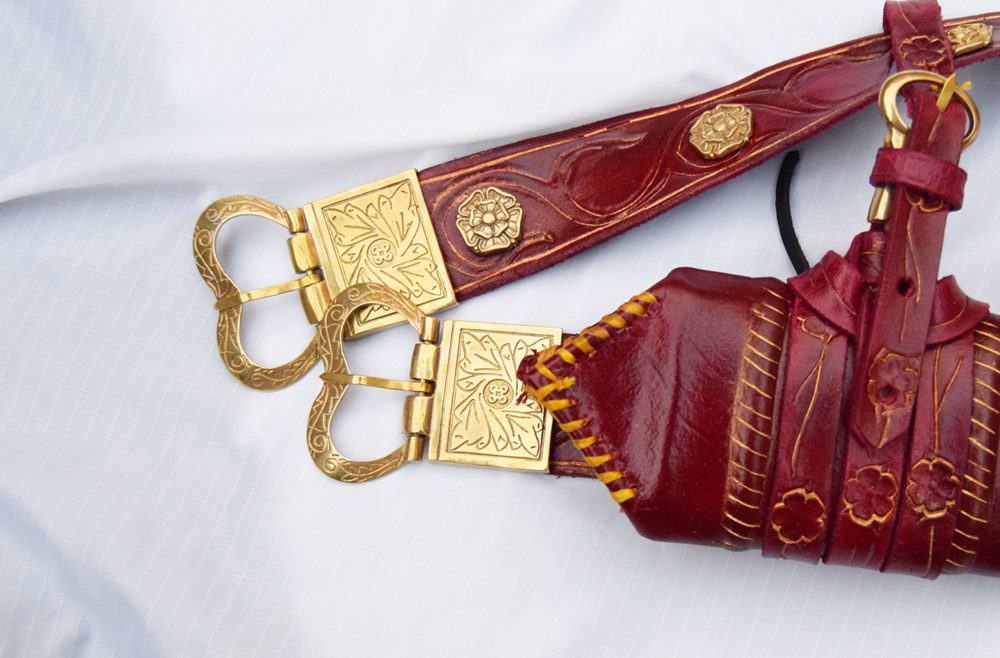
Detail of the buckles
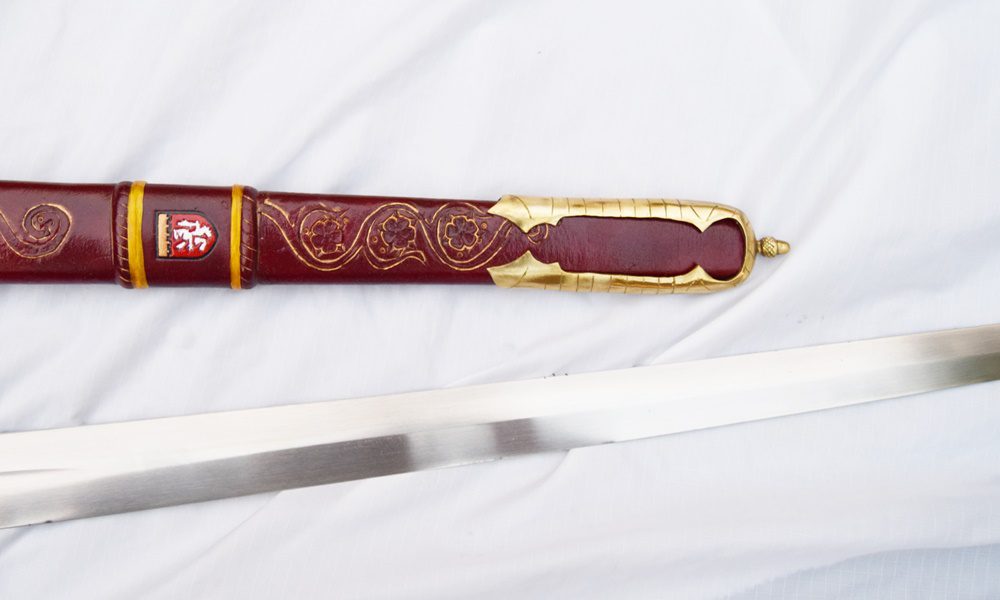
Detail of chape and smaller coat of arms
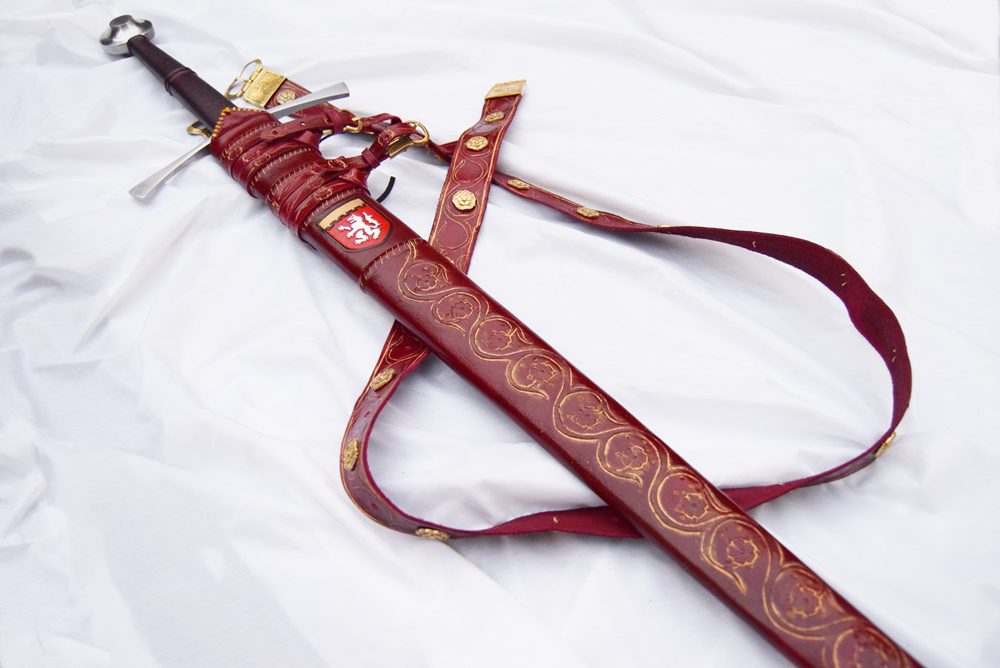
Features
Unlike the Maelstrom line, there are no standard options for Trident line scabbards. Prices shown here are approximate.


